
Preventing Water Damage to Your Home's Foundation in Texas
Home / Blog

Recent Blog
-
Rain Chains and Alternative Water Diversion for Modern Homes
-
How Downspout Placement Affects Both Drainage and Curb Appeal on Houston Homes
-
Installing Gutters on Homes with Covered Porches in Houston
-
Gutter Solutions for Homes with Multiple Roof Planes in Houston
-
How to Match Your Gutter Color and Style to a Luxury Home's Exterior in Houston
Ready to Transform Your Property? Contact Us Today
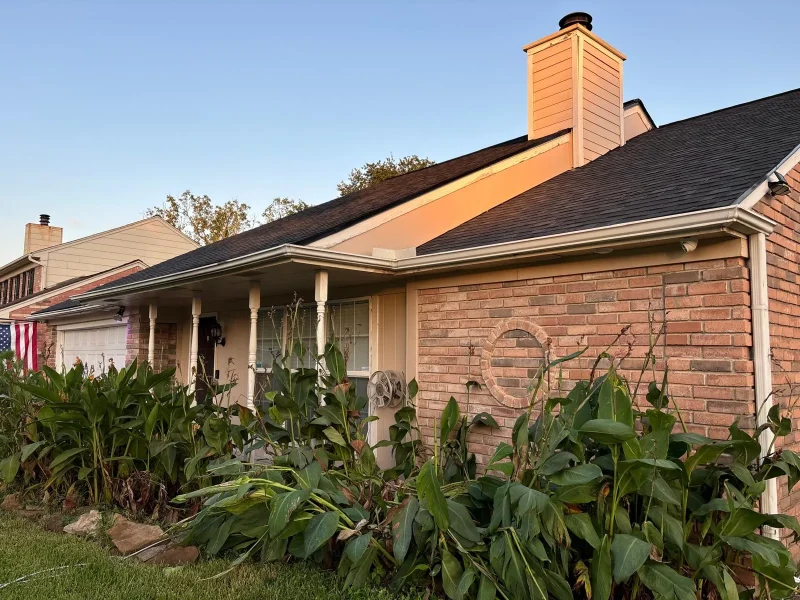
Texas homeowners face a unique challenge when it comes to protecting their homes — the weather rarely cooperates. From torrential rainstorms during hurricane season to long dry spells that crack the soil, the cycle of extreme wet and dry conditions puts enormous stress on residential foundations across the state. And in Houston, where clay-heavy soil and heavy seasonal rainfall combine, the risk is even greater.
The good news is that most foundation water damage is preventable. With the right drainage strategy and consistent home maintenance, you can protect one of your biggest investments before costly problems develop.
Why Water Is Your Foundation’s Biggest Enemy in Texas
In Texas — and especially in the greater Houston area — the soil beneath your home is largely composed of expansive clay. This type of soil absorbs water and swells when it’s wet, then shrinks and cracks when it dries out. Over time, that constant movement creates an unstable base that causes foundations to shift, crack, and settle unevenly.
Add to that Houston’s intense rainfall patterns, and you have a recipe for serious structural damage if water isn’t properly managed around your home.
- Expansive clay soil expands and contracts with every rain cycle, stressing your foundation continuously.
- Poor drainage allows water to pool next to your home instead of draining away.
- Inadequate or failing gutters send water straight down to the base of your walls.
- Low-graded landscaping directs surface water toward your home instead of away from it.
Top Ways to Prevent Foundation Water Damage in Texas
Keep Your Gutters Clean and Functional
Your gutter system is the first line of defense against foundation water damage. When gutters are clogged, overflowing, or damaged, rainwater runs down the side of your house and saturates the soil directly around your foundation.
- Clean gutters at least twice a year — more often if you have nearby trees.
- Inspect gutters after every major storm for debris buildup or damage.
- Replace cracked, sagging, or separated gutters before the next rainy season.
- Consider installing gutter guards to reduce maintenance frequency.
Make Sure Downspouts Direct Water Far Enough Away
Many homeowners don’t realize their downspouts are part of the problem. Downspouts that discharge water too close to the foundation simply move the overflow a few inches — not far enough to make a difference.
- Downspouts should direct water at least 4 to 6 feet away from your foundation.
- Use downspout extensions or underground drainage pipes if your current setup falls short.
- Check that downspout openings are clear and not clogged with leaves or debris.
Grade Your Yard Away from the House
The slope of your yard plays a major role in where rainwater goes after a storm. Ideally, the ground around your home should slope downward away from the foundation at a rate of about 6 inches for every 10 feet.
- Re-grade low spots in your yard that tend to collect water near the house.
- Avoid letting mulch or soil build up against your siding or foundation over time.
- Use a garden hose during a dry period to simulate rain and observe where water naturally flows.
Install a French Drain or Surface Drainage System
For properties that experience persistent pooling or drainage issues, a more robust solution may be necessary. French drains and surface drainage systems are designed to capture and redirect groundwater away from your foundation.
- French drains are underground perforated pipes that collect and redirect subsurface water.
- Surface drainage channels work well for yards with significant water pooling after rain.
- Both systems are highly effective in Houston’s high-rainfall environment.
Maintain Consistent Soil Moisture Year-Round
One of the most overlooked aspects of foundation protection in Texas is keeping soil moisture levels consistent — even during dry months. Extreme soil shrinkage during droughts can be just as damaging as oversaturation during storms.
- Water the soil around your foundation during long dry spells to prevent excessive shrinkage.
- Use a soaker hose around the perimeter of your home during summer droughts.
- Avoid overwatering, which can cause the opposite problem — soil expansion and pressure against your foundation.
Address Cracks and Drainage Issues Early
Small problems have a way of becoming big ones in Texas weather. If you notice any early warning signs, act quickly before the next rainstorm arrives.
- Hairline cracks in your exterior or interior walls should be monitored closely.
- Water stains on siding or near the base of your home signal ongoing drainage problems.
- Doors or windows that stick or no longer align correctly may indicate early foundation movement.
How Professional Gutter Services Help Protect Your Foundation
A properly maintained gutter system is one of the most cost-effective tools for foundation protection available to homeowners. At Mairena Gutter Services LLC, we provide Houston-area homeowners with complete gutter solutions — from routine cleaning and maintenance to full gutter replacement and gutter guard installation — all designed to keep water moving away from your home’s foundation.
Don’t wait for cracks or water stains to show up. A small investment in your gutter system today can save you tens of thousands of dollars in foundation repairs down the road.