
Gutter Guard Maintenance: What Still Needs Checking After Installation
Home / Blog

Recent Blog
-
Gutter Guards for Oak-Lined Lots in Houston: What Holds Up Best
-
Gutter Guard Maintenance: What Still Needs Checking After Installation
-
Are Gutter Guards Worth the Investment for Houston Homeowners?
-
Gutter Planning for Outdoor Living Areas and Rear Patios in Houston
-
Rain Chains and Alternative Water Diversion for Modern Homes
Ready to Transform Your Property? Contact Us Today
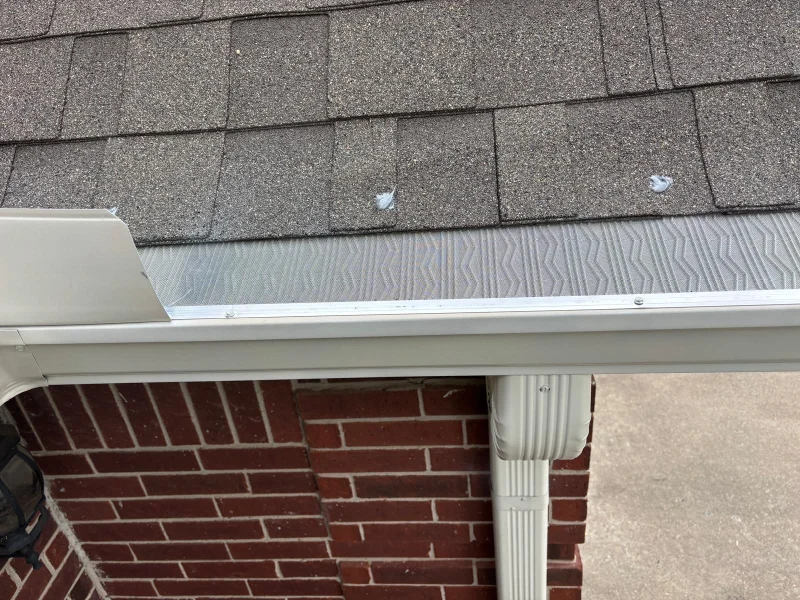
Installing gutter guards is a smart step toward easier home maintenance, but it does not mean your gutters can be ignored for good. Guards reduce how much debris gets in. They do not remove every source of buildup, and they cannot fix problems that start somewhere else in the system.
In Houston, where heavy rain, dense trees, and humid weather work against any drainage system, a little follow-up care keeps your guards doing the job you paid for. Here is what still needs checking after installation.
Why Gutter Guards Still Need Attention
A guard changes where debris collects, not whether it collects. Over time, a few things can reduce performance.
- Leaves, needles, and seed pods can settle on the surface and block water from entering
- Fine debris such as pollen and roof grit can build up on top of or beneath some designs
- Moss, algae, and mildew can grow on the guard surface in humid weather
- Storms can shift or lift a guard that was not secured well
- Problems in the gutter or downspouts can continue even when the top looks clean
Treating guards as low maintenance instead of no maintenance is the most reliable way to protect your investment.
What to Check After a Heavy Rain
The best test of a guard system is how it behaves during a storm. After a significant Houston rain, take a few minutes to look around.
- Look for overflow marks. Streaks on siding or splashed soil beneath the gutter can mean water skipped over the guard.
- Watch the roof edge during rain, if safe. Water that sheets over the front instead of entering the gutter points to a surface blockage or a guard that sits incorrectly.
- Check downspout discharge. Water should flow steadily from the outlet. A weak flow suggests a clog further down.
- Inspect the ground below. Pooling near the foundation after rain means the system is not moving water away as intended.
These quick checks can reveal a problem long before it turns into damage.
Routine Checks That Keep Guards Working
Look at the Surface of the Guard
Walk the perimeter of the home and look up along the roofline. Visible debris, matted leaves, or pine needles piled on top are signs the surface needs clearing.
- Remove loose debris gently so you do not bend or dislodge the guard
- Pay special attention beneath overhanging trees and at roof valleys where water and debris concentrate
- Avoid pressure that could force debris through the mesh or damage the material
Check That Guards Are Still Secure
Wind, storms, and thermal movement can loosen guards over time.
- Look for sections that lift at the edges, sag, or sit crooked
- Confirm the guard still rests flat against the gutter and roof edge
- Watch for gaps where debris or pests could enter
A loose section should be reported to your installer before the next heavy rain.
Inspect the Gutter Beneath the Guard
A guard hides the gutter, which makes it easy to forget what is underneath. Some fine debris and sediment can still settle inside over the years.
- Ask your installer to look inside at least once a year
- Check that the gutter slopes toward the downspouts and does not hold standing water
- Look for rust, cracks, or loose brackets that would be easy to miss from the ground
Clear the Downspouts and Outlets
Even with a guard in place, downspouts can clog from debris that works its way in or from sediment that collects at the bottom.
- Confirm water flows freely through every downspout
- Check extensions, underground connections, and splash blocks for blockages
- Make sure discharge points still direct water away from the foundation
Houston-Specific Issues to Watch
Houston’s climate creates a few problems that homeowners elsewhere may see less often.
- Humidity and organic growth: warm, damp conditions encourage algae and mildew on guard surfaces and in gutters
- Pine and oak debris: needles, catkins, acorns, and leaves can accumulate on the surface of guards, especially in fall and spring
- Storm season debris: tropical storms can load a roof with branches and leaves in a single event
- Pests: insects and birds look for sheltered spots, so openings at the edge of a guard deserve attention
A quick look at the start and end of storm season is a good habit for any home with guards.
How Often to Inspect
A simple schedule works for most homes.
- Twice a year: a visual walk-around, ideally in spring and late fall
- After major storms: a quick check for debris, shifted sections, and overflow signs
- Once a year: a professional inspection that includes the gutter and downspouts beneath the guard
- Anytime you see overflow: investigate right away rather than waiting for the next scheduled check
Homes with heavy tree coverage may benefit from more frequent surface cleaning, especially after leaf-drop season.
Signs Your Guards Need Professional Attention
- Water regularly overflows the front of the gutter during moderate rain
- Debris is packed on the surface and does not clear on its own
- Sections of the guard are bent, lifted, or missing
- Gutters beneath the guard sag or hold standing water
- Downspouts run slowly or not at all
- You notice pests, nests, or plant growth around the gutter line
Catching these early is usually a small repair. Waiting can mean cleaning out a fully clogged system and fixing water damage on top of it.
Keep Your Gutter Guards Performing Year After Year
At Mairena Gutter Services LLC, we install gutter guards and we also help Houston homeowners keep them working. If you are unsure whether your guards are doing their job, we can inspect the surface, the gutter underneath, and the downspouts, then explain what needs attention and what does not.
Contact us today or book your free estimate and let’s make sure your guards keep protecting your home through every season.